


Cellulose vs Synthetic vs Composite Air Filter Media
Cellulose vs Synthetic vs Composite Air Filter Media
Cellulose vs synthetic air filter media is the comparison every filter buyer eventually has to make, and the common framing — "synthetic is better" — misses the point. Each structure trades something away, and the right call depends on the duty, not on which sounds more advanced. Cellulose is cheap and stiff and has served engines for decades; synthetic shrugs off moisture and lasts far longer; composite splits the difference by blending the two. This article puts the three side by side on the things that actually fail in the field — efficiency, dust capacity, life, and cost — and then maps each to the applications where it makes sense, including where our own grades sit.
Cellulose Media
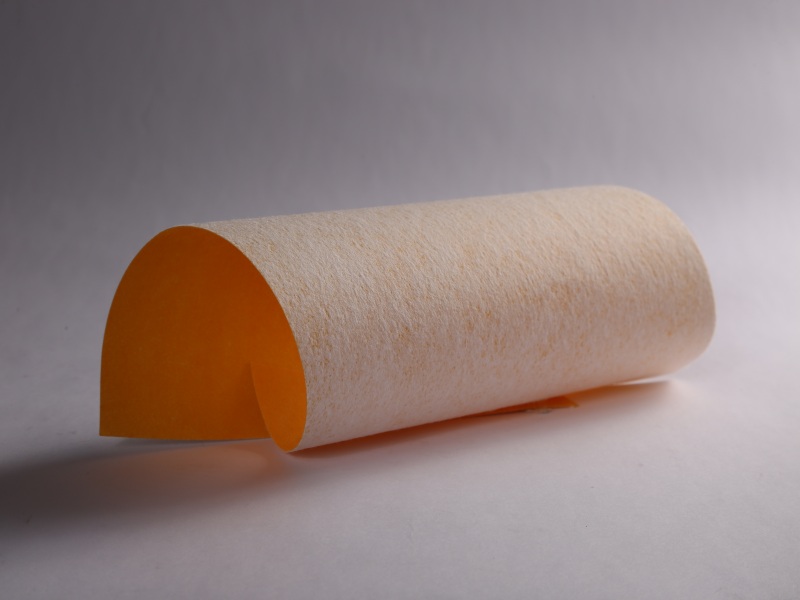
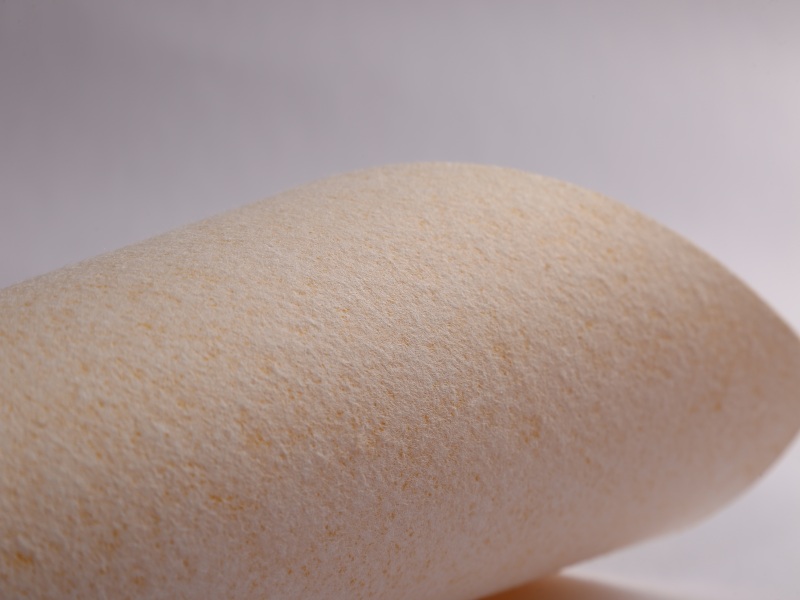
Cellulose comes from wood pulp and is the default for a reason. It is inexpensive, it has the natural stiffness that makes pleating straightforward, and for short-duty cycles it does the job without drama. The weakness is also built in: the fibers soften when they take on moisture or oil mist, and once softened the pleats relax and the capacity drops. In a passenger car changed every service interval that never matters; in a humid or oily environment running long between changes it shortens the filter's real life. Cellulose also trends toward lower dust-holding capacity than a comparable synthetic or gradient sheet, so it clogs sooner under heavy load. For high-volume, low-duty, cost-driven grades it remains the rational pick, and our Light Car Air Filter Paper is built around exactly that balance of economy and adequate life.
Synthetic Media
Synthetic media uses polymer and glass fibers instead of, or alongside, pulp, and the payoff is resistance to the things that wreck cellulose. It holds shape when wet, keeps performing where oil mist is present, and typically delivers longer service life because the structure does not soften with use. The trade is cost and, depending on the blend, a need for more resin or support to reach the pleat stiffness cellulose gives for free. For cabin and comfort applications this is often the cleaner choice, since the Cabin PP ECO Air Filter Paper grades lean on synthetic behavior to keep airflow and filtration steady in a damp, variable environment. Synthetic is the answer when life and fluid resistance outrank upfront price.
Composite Media
Composite is the blend — pulp for stiffness and cost, synthetic for life and fluid resistance — mixed in a ratio tuned to the job. It rarely wins on any single axis; it wins on fit. A composite can give a cellulose-grade filter noticeably longer life and better moisture behavior without the full cost step up to a pure synthetic, which is why it shows up across mid-duty commercial and industrial applications. The catch is that "composite" covers a wide range of blends, so the spec still has to name the basis weight, permeability, and tested efficiency rather than lean on the label. Treat it as the adjustable option, not the compromise you settle for.
Matching the Material to the Job
The duty decides, not the catalog. A simple way to frame the choice:
Short-mileage passenger and light vans on regular service — cellulose is enough and keeps cost down.
- Heavy trucks, mining, construction in heavy dust — synthetic or gradient earns the upgrade by stretching service and holding airflow.
- Cabin, humid, or oily environments — synthetic for the fluid resistance alone.
- Mid-duty fleets wanting more life than cellulose gives — composite splits the cost and the benefit.
None of these is universally right, and a supplier pushing one material for every application is not really specing to your job.
What This Means for Your Spec
When you sit down to specify, start from the failure mode you are actually trying to avoid — early clogging, moisture collapse, or simply too-frequent changes — and pick the structure that defends against that one. Ask for the tested efficiency with its method, the dust-holding capacity at a realistic load, and the basis weight and permeability so the claims can be checked. A blend labeled "composite" should come with the numbers behind it, not just the name. Cellulose, synthetic, and composite will all keep filtering; the question is which one still filters well at the moment your operation actually needs it to, and that is the comparison worth running before the order goes out.
Frequently Asked Questions
Which is better, cellulose or synthetic air filter media?
Neither is universally better. Cellulose wins on cost and stiffness for short-duty use; synthetic wins on life and moisture resistance where the filter runs long or wet. The duty decides, not the material.
Is composite air filter media worth it?
For mid-duty fleets that want more life than cellulose gives without paying for full synthetic, yes. It blends pulp and synthetic to split the cost and the benefit, but the spec still has to name the actual blend numbers.
Does synthetic air filter media really last longer?
In most field conditions it does, because the fibers do not soften with moisture or use the way cellulose does, so the pleats hold shape and capacity further into the interval. The gain shows up most where the element runs long between changes.
Can I mix media types in one filter?
Not typically within a single layer, but multi-layer designs do combine a coarse cellulose or synthetic pre-filter with a fine synthetic final layer — which is close to what gradient media does in one sheet. The effect is depth loading, the same principle behind the longer life.
Hot News
 Nov 08, 2026
Cellulose vs Synthetic vs Composite Air Filter Media
Cellulose, synthetic and composite air filter media compared on efficiency, dust-holding, lifespan and cost—which grade fits passenger, heavy-duty or mining use?
Read More →- Nov 07, 2026
Why Gradient Air Filter Media Beats Single-Layer Paper
Gradient (dual-density) air filter media captures more dust at lower resistance. See why its dust-holding capacity and service life beat uniform filter paper.
Read More → - Nov 06, 2026
How to Choose Air Filter Paper: 2026 Buyer's Guide
How to choose air filter paper that fits your job: a buyer's guide to matching media type, efficiency, dust-holding capacity and pleatability to the application.
Read More →  Nov 05, 2026
What Is Air Filter Paper? Types, Materials & How It Works
Air filter paper (filter media) traps the dust that wrecks engines. Learn the main types—cellulose, synthetic, gradient—and how air filtration media works.
Read More →
Need Help?
Tell us about your application, product requirements and volumes. Our sales team will reply within 24 hours.